
Himachal Roadside Dhabas: Why I Trust Them More Than Cafés
- Details
-
 By Prachi Chauhan
 - Hits: 1003
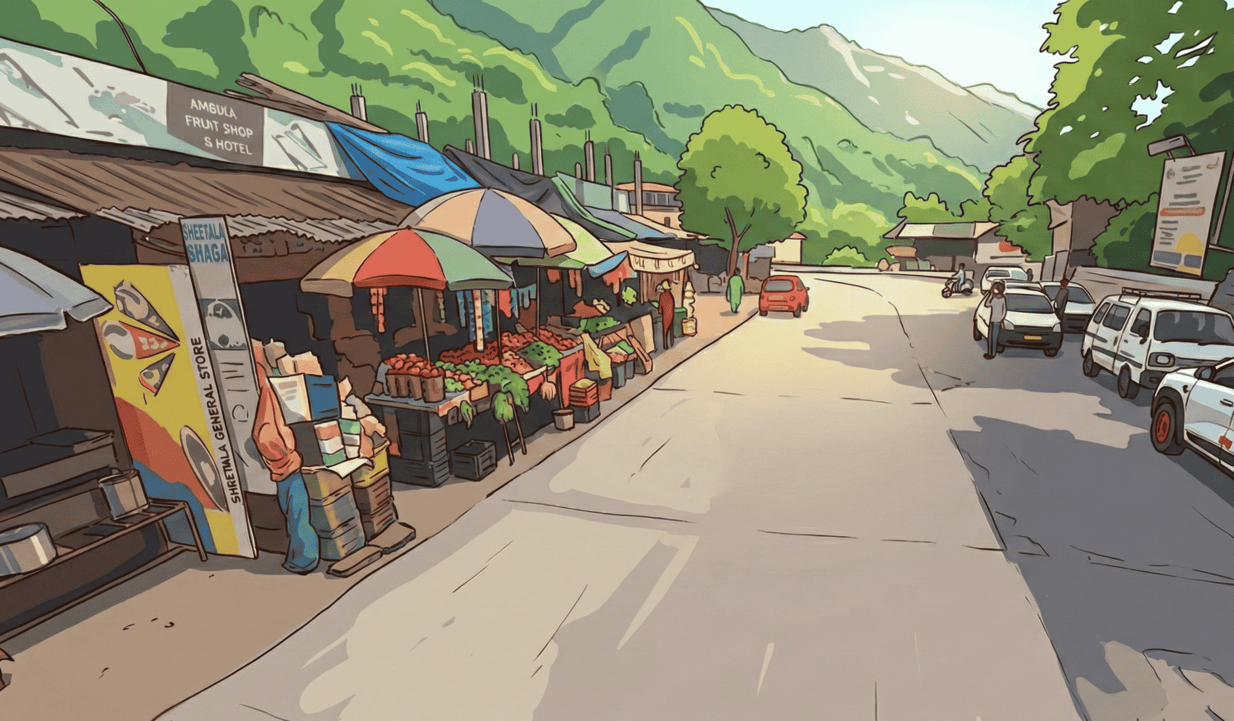
These days, I find myself trusting Himachal roadside dhabas more than cafés. A few days ago, on my way from Manali to Shimla, I stopped at a small dhaba you’ll find if you’re traveling toward Bilaspur, Manali, or anywhere in lower Himachal from the Shimla side. It’s called Chamakri Pul. Most people pass by without noticing it. I nearly did too. But as soon as I walked in, I felt something familiar.
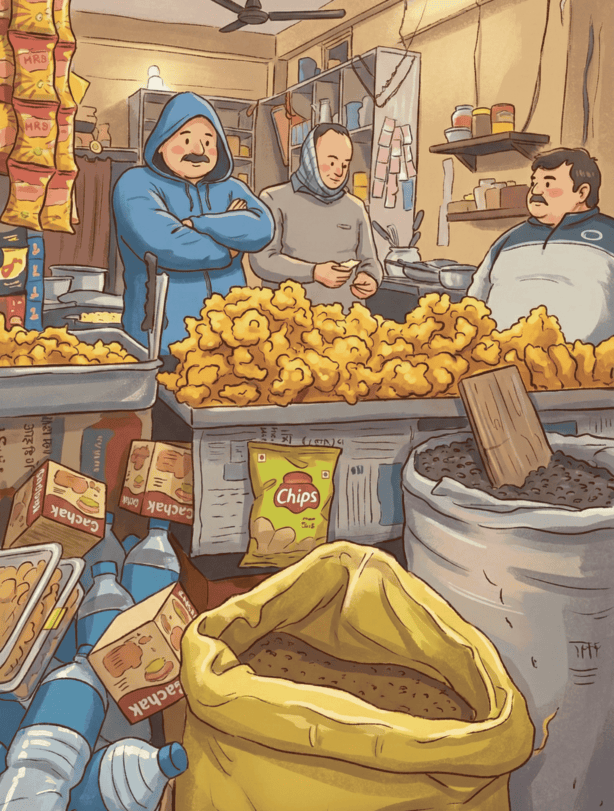
When the Walls Feel Familiar
The walls reminded me of old RK Laxman illustrations; slightly faded, quietly observant, not trying to impress anyone. The space felt lived in, not curated. I knew instantly that I wanted to write about this place, so I clicked a few photos. Not for social media. Just for memory.
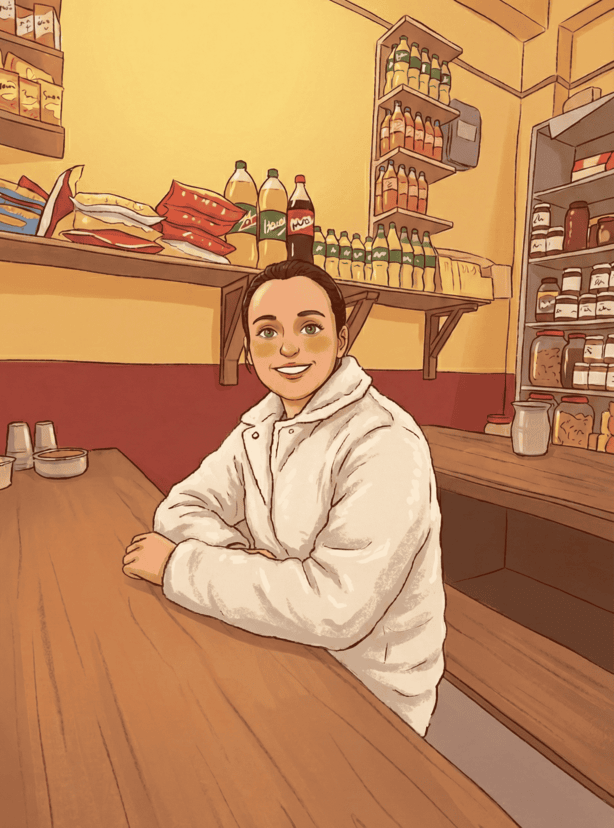
Food That Doesn’t Try Too Hard
What stayed with me was the food. Not “special,” not experimental, not overloaded with options. Just proper ghar-type thali food. The kind that feels fresh because it actually is. There were simple snack options too, the sort you eat without wondering what went into them.
We often overlook such dhabas. After eating at so many cafés and famous outlets, I have slowly started trusting these small places more. They don’t promise much, but they deliver something rare: consistency and honesty.
Why Fresh Food Matters More Than Fancy Menus
I still remember what my father once told me. In many big places, gravies are made in large batches and reused. But in small dhabas, the food runs out, so it’s cooked fresh again the next day. That idea has always stayed with me.
Interestingly, this belief isn’t just personal. Food critic Vir Sanghvi has written about how people who travel the roads every day often know best where to eat. In one of his food journeys, he noted, “They say that cops always know the best dhabas and I am here to tell you that they are right,” after being taken from one great roadside eatery to another by police officers who loved good food.
Cleanliness You Don’t Expect, Respect You Can Feel
Over the past few months, I’ve made it a point to eat at small, well-kept dhabas across Himachal. And honestly, most of them are cleaner than we assume. Some are even surprisingly organised. On the Arki Road, there’s RV Amritsari Dhaba in Gamberpul. The cleanliness there genuinely surprised me, plates stacked properly, cooking area neat, nothing careless.
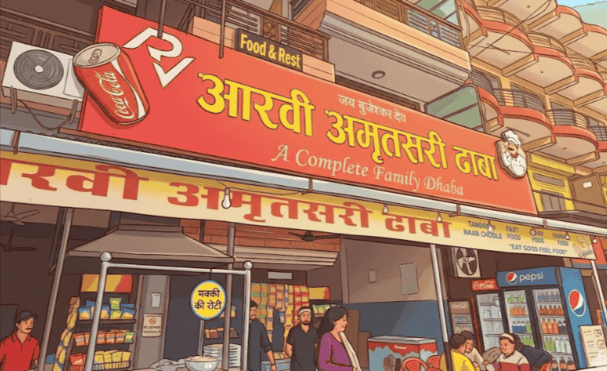
But one moment stood out to me. Each time the person made rotis in the tandoor, he bowed to it first. It was a small gesture, done quietly, with no one watching. That showed me how much they respect the food there.
Why Technique and Tradition Still Matter
Vir Sanghvi once explained something similar while talking about authentic Amritsari kulchas. According to him, “The only place you can get good kulchas is one where there is a designated kulcha tandoor… outside of Punjab, there aren’t too many of those.” It’s a reminder that real food depends more on method and respect than presentation.
A Dhaba That Runs on Village Life
Another place that deserves mention is Chotiwala Dhaba, on the route from Rampur to Kinnaur, before you actually enter Kinnaur. It’s about an hour from Rampur Bushahar. They serve fresh ghar ki lassi. Their atta is homegrown. The butter and ghee are their own. Even the milk used for tea comes from nearby homes.
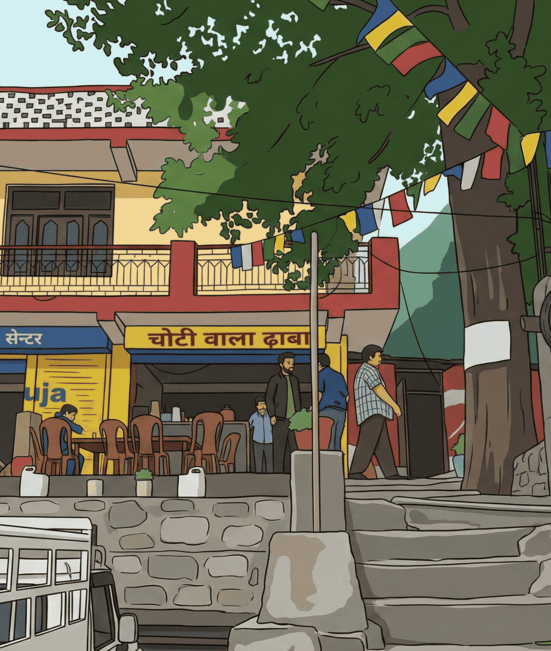
This is what many people miss. Dhabas near villages quietly rely on local sources: milk from nearby homes, wheat from local fields, and workers from the community. Eating there isn’t just about the food; it supports a whole way of life.
What Chefs and Food Travellers Have Always Known
This idea of everyday food shaping India’s real food culture is something Chef Ranveer Brar often speaks about. He has pointed out that Indian food didn’t evolve only in royal kitchens or fine-dining spaces, but also on streets and highways, through common people and daily cooking. It’s this “commoner food” that carries the strongest flavours and memories.
Rocky Singh and Mayur Sharma, hosts of Highway On My Plate, feel the same way. After traveling over 120,000 kilometers on India’s highways, they found that roadside food shows local life more honestly than any restaurant menu.
The Unspoken Rules Most Food Experts Agree On
Over the years, food critics and highway food travellers have repeated the same quiet truths about dhabas, even if they describe them differently.
One of the most commonly shared ideas is what many people casually call the truck rule. If a dhaba has trucks parked outside, it usually means the food is fresh, affordable, and reliable. Truck drivers travel these routes every day. They don’t experiment with meals that might slow them down or make them sick. They return only to places they trust.
Another widely accepted belief is freshness over appearance. Most dhabas don’t focus on décor or presentation. The priority is food that is cooked regularly and finishes every day. Unlike many large eateries where gravies may be prepared in bulk and stored, small dhabas depend on food moving quickly. That, more than anything else, is often the reason their food tastes better.
Rocky and Mayur have often shared similar advice while traveling for Highway On My Plate: observe who is eating there, notice repetition in customers, and trust places that do a few things well instead of many things poorly. Their approach is built on instinct developed over years on the road, not on trends or online ratings.
Quiet Places That Still Get It Right
For Michelin-starred Chef Vikas Khanna, street and dhaba food represent the emotional core of Indian cooking. In several interviews, he has spoken about how the food he grew up eating, simple, home-style, and cooked with care, shaped his understanding of taste more than luxury kitchens ever could.
In Himachal, if you look closely, these dhabas are still around. They quietly do their work, waiting for people who care enough to stop and notice.
FAQs
Are roadside dhabas in Himachal safe to eat at?
Most roadside dhabas in Himachal are run by local families and serve food cooked fresh each day. When food runs out regularly, it means it’s made again the next day, which is often safer than reheated food made in bulk.
Why do people trust small Himachal dhabas more than cafés?
People trust small Himachal dhabas because the owners eat the same food they serve. You can see the kitchens, the ingredients are local, and there’s less pressure to make too much or store food for long.How can you identify a good roadside dhaba while travelling in Himachal?
A good roadside dhaba is usually near a village, has a small menu, and is popular with locals. If the food runs out by evening and the place stays simple, it’s often a sign of fresh cooking.
Do Himachal dhabas use local ingredients?
Many dhabas in Himachal use local milk, wheat, butter, and ghee. In dhabas near villages, ingredients often come straight from nearby homes and farms.
Are roadside dhabas better than cafés for long journeys?
For long trips, roadside dhabas are often more filling and reliable. They focus on home-style meals instead of presentation, making them a top choice for travelers who want fresh, simple food.
Written by



More Read


Turning A Vision Into Reality