Class 9: The Day I Discovered a Writer Who Made Me Laugh (and Think)
When I was in Class 9, my Hindi teacher asked me to read chapter 3,
Upbhoktavad Ki Sanskriti, from the Kshitij book out loud. I was known for being the fastest reader in class; never stumbling or pausing, just reading quickly. The classroom was filled with the soft sound of flipping pages and that familiar hush before someone starts reading. Plus, I was used to that brief moment when all eyes lifted from their books and the room settled into listening.
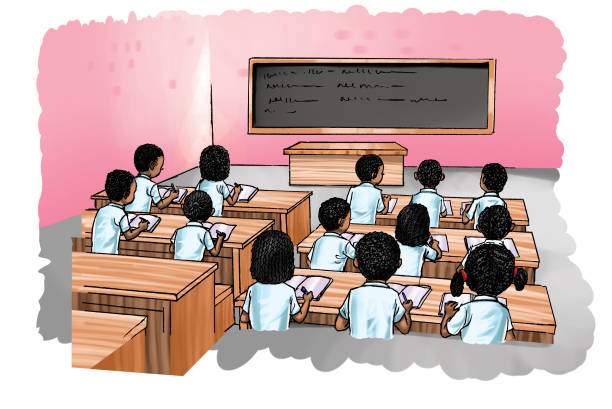
As soon as I began, I noticed something different; I was actually enjoying it. The humor, the satire, and the cleverness of
Shyamacharan Dubey drew me in. His words were witty, sharp, and reflected society back at us.
For the first time, I didn’t rush to finish. I laughed at his sarcasm, saw his point of view, and, most importantly, understood his message. This wasn’t just another essay; it was a prediction hidden in humor, and it still fits our world today.
The Modern Religion: "Thou Shalt Consume!"
Now, years later, everything Dubey wrote feels even more true.
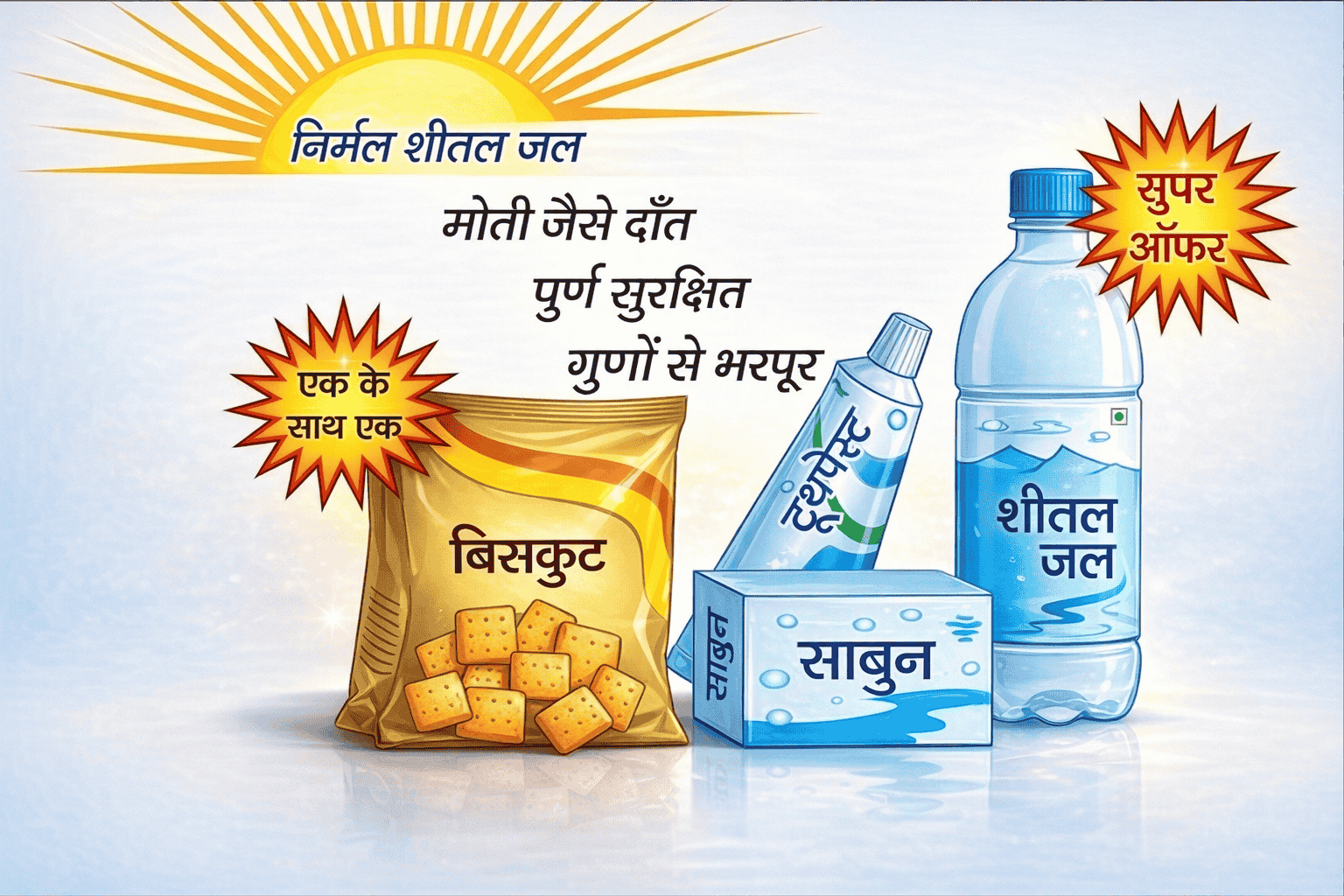
- Your toothpaste isn’t just toothpaste; it’s sold as a magic formula approved by dental experts.
- Your soap is a celebrity-endorsed elixir promising eternal freshness.
- Your watch isn’t just a timepiece; it’s a status symbol that whispers, "Look at me, I’m rich!"
Dubey saw this consumerist madness coming decades ago. And now? We are living in his well-predicted future, where people spend ₹50,000 on a phone but cry over a ₹10 price hike in milk.
The Illusion of "Happiness" Through Shopping
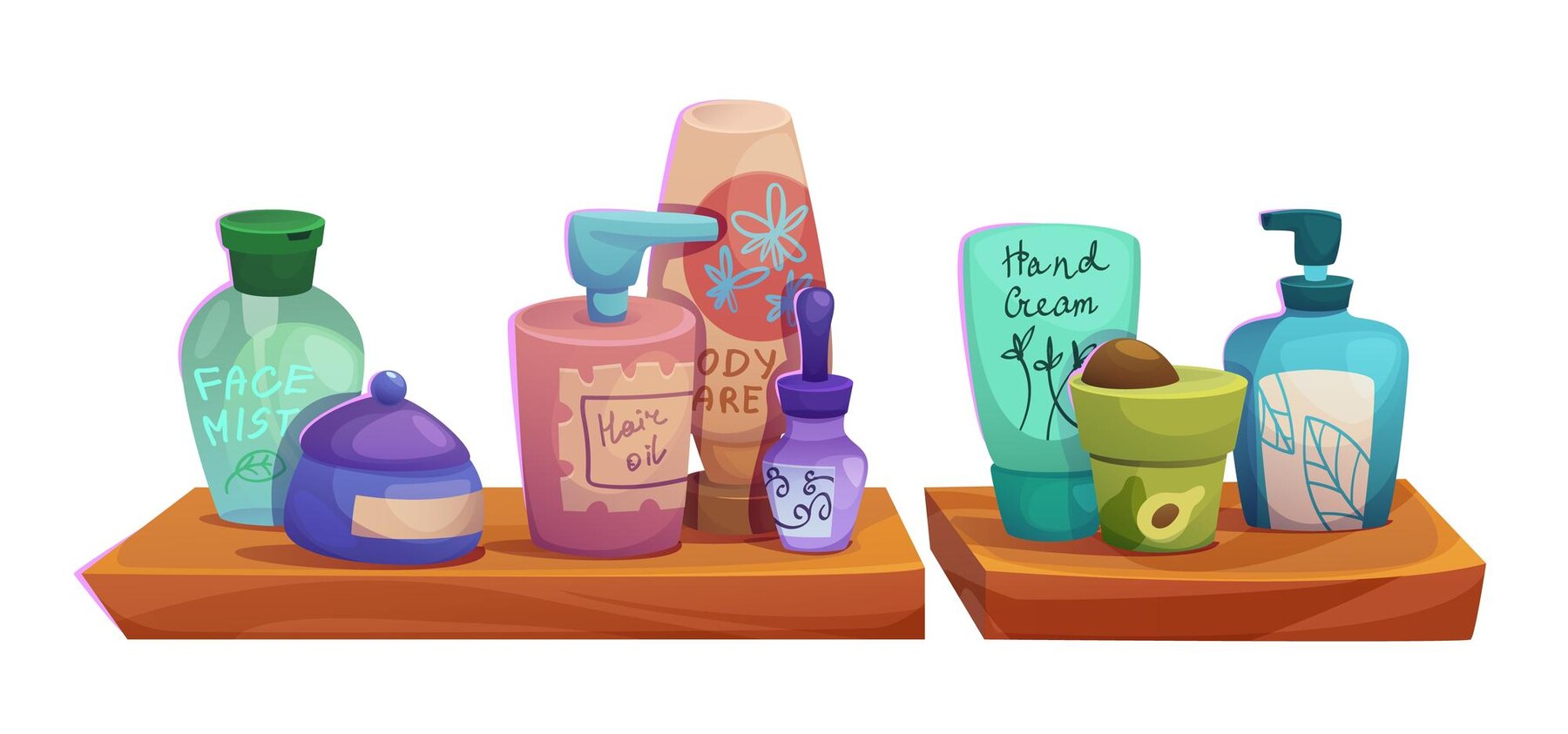
- Need self-care? There’s a self-care shopping haul for that.
- Feeling sad? Retail therapy has got your back (and your wallet).
- Want to look wealthy? Buy a limited edition sneaker you’ll only wear a couple of times before it’s considered old.
Why do limited editions pull us in so easily? Because the moment something is called “rare,” we start fearing we’ll miss out. We’re told it won’t come back, and suddenly it feels more valuable than it really is. It’s a neat trick, one that makes us believe a pair of shoes can say something important about who we are. Slowly, without noticing, we begin measuring our worth by what we own, not by who we are.
In Dubey’s words,"भोग की आकांक्षाएँ आसमान को छू रही हैं।"
(Our desire to consume is reaching the skies.)
But does this actually make us happier? Or just more broke?

The Social Media Effect: Turning Us Into Products
Today, consumerism is no longer limited to things; our very identities are up for grabs. Social media has become a digital marketplace where we auction off fragments of ourselves. The profiles we curate and present online are often polished versions, packaged to attract likes and followers, contrasting sharply with the person we actually are.
Instagram sells your attention to advertisers. LinkedIn sells your professionalism to recruiters. Even your data is sold, so you are both a customer and a product now.
Dubey wrote "हम आधुनिकता के झूठे प्रतिमान अपनाते जा रहे हैं।"
(We are chasing fake versions of modernity.)
If he were alive today, he’d be nodding in disappointment... but probably also laughing.
From Status Symbols to Five-Star Funerals (Yes, That’s a Thing!)
- We don’t just want a good meal; we want a five-star dining experience.
- We don’t just want a decent school; we want a five-star education.
- And guess what? Now you can even book a five-star funeral because, obviously, the afterlife deserves luxury too!
Dubey once joked about America’s "premium burial services" well, guess what? It’s happening in India now. You can pre-book your grave with manicured lawns and background music.
Because, as Dubey rightly observed, "मरने के बाद भी दिखावा ज़रूरी है!" (Even in death, status matters.)
Final Thoughts: "Are We Buying More or Being Bought?"
Shyamacharan Dubey was more than a writer; he was a visionary. His humour was not just for laughs, but also a warning. Yet here we are, still caught up in consumerism, chasing things we don’t need, buying what we can’t afford, and measuring happiness by price tags instead of real experiences. Maybe it’s time to try something else. Something smaller. Imagine a community swap meet, where neighbours exchange old things and end up sharing stories instead. Or a day without screens, no phones, no scrolling, just people, trees, and conversations that don’t need Wi-Fi.
None of this will fix the world overnight. But small shifts matter. They remind us that real happiness doesn’t sit in a shopping cart. It shows up quietly, in moments we don’t have to pay for.
As Dubey questioned,"मर्यादाएँ टूट रही हैं, नैतिक मानदंड ढीले पड़ रहे हैं। व्यक्ति केंद्रकता बढ़ रही है, स्वार्थ परमार्थ पर हावी हो रहा है। भोग की आकांक्षाएँ आसमान को छू रही हैं। किस बिंदु पर रुकेगी यह दौड़?"
(Moral boundaries are breaking, self-interest is overpowering humanity, and our desires for indulgence are touching the skies. Where will this race stop?)

Now, imagine ten years from now. How much further will those boundaries have moved? What will be left of the values we once took seriously? We keep running, buying, wanting, upgrading, hoping it will settle something inside us. But does it? Or does it just leave a bigger gap than before?
Dubey’s question still hangs in the air. Not loudly. Just patiently. It asks us to pause and think about what we’re chasing, and what we might be leaving behind for those who come after us. So the next time an ad says, "You need this!" stop and ask yourself:
"Do I really?"
Because in the end, Dubey was right. And unfortunately, we’re proving him right every single day.
Credits:
Inspired by Shyamacharan Dubey’s "Upbhoktavad Ki Sanskriti"
📖 NCERT Hindi, Kshitij, Class 9