
The First Time I Walked into a Chumbak Store
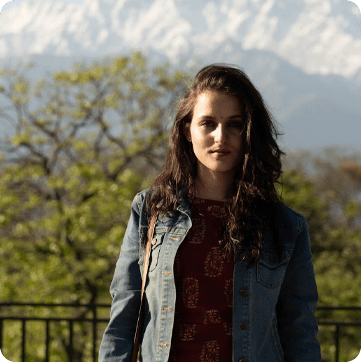
In 2015, I moved from Shimla to Gurgaon after graduation to start working. I was 21, in a new city, figuring everything out. By 2016, my office was in DLF Cyber Hub, and that place changed something in me.
Cyber Hub wasn't a regular mall. It was this massive open-air courtyard inside DLF Cyber City, with restaurants, cafes, stores, even a stand-up comedy venue and an amphitheatre that hosted weekend concerts. It felt more like a neighbourhood than a shopping complex. During lunch breaks and after office hours, I'd just roam around. Not to buy anything. Just to soak it all in.
I want to be honest here. I was never a "shopping" person. Clothing stores didn't interest me. But creative stores? The ones with stationery, quirky home stuff, bakeries? Those pulled me in every single time.
And then one day, I saw Chumbak.
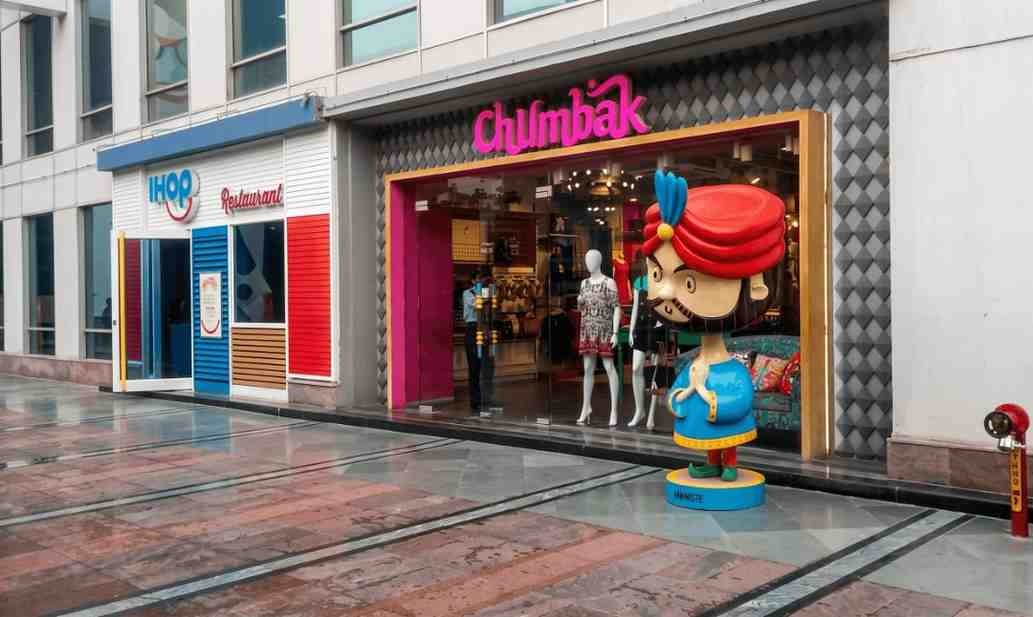
I don't remember what I was doing that afternoon. But I remember stopping. The colours hit me first. Loud, unapologetic, joyful colours that didn't care if you were looking or not. They weren't trying to be sophisticated or minimal. They were just happy. And in a city where everything felt new and a little overwhelming, that happiness felt like an invitation.
So I walked in.
The Store That Felt Like a Feeling
Inside, it was even better. Steel utensils painted so beautifully they looked like art. Coasters with illustrations that made you smile. Wallets, cushion covers, bags. Everything had this energy to it, like someone had designed each piece while they were in a genuinely good mood.
I'm not exaggerating when I say I was happy just being in that store. Not because I wanted to buy anything, but because everything around me was designed to make me feel something. That's rare. Most stores are designed to make you want things. Chumbak was designed to make you feel things. The buying came later, almost as a side effect.
And then I saw the Chumbak backpack.
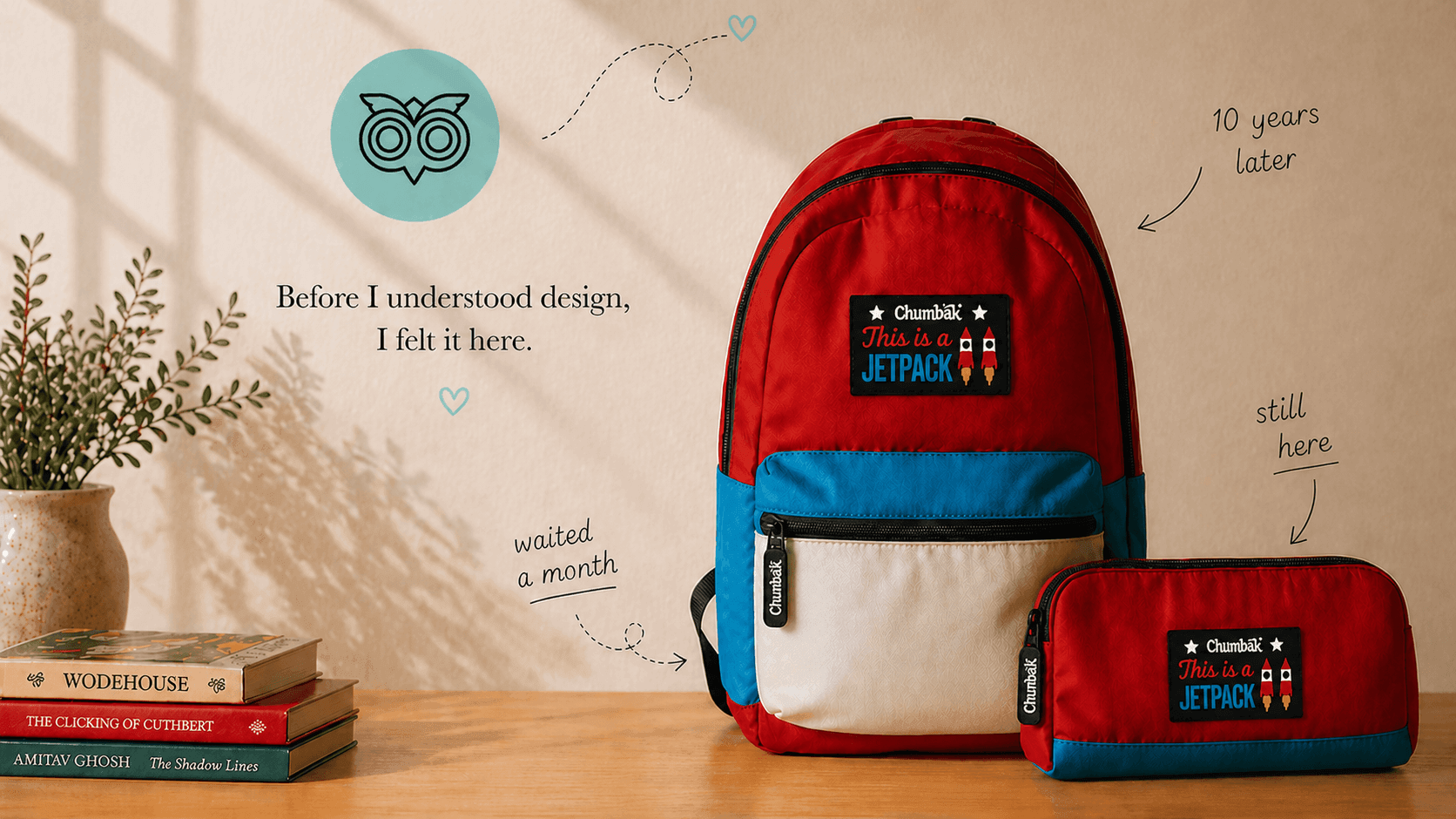
It was vibrant, well-made, and it had this small pouch that came with it. I wanted it immediately. But it was too expensive for me at that time. So I did what any sensible person would do. I waited a month, saved up, went back, and bought it.
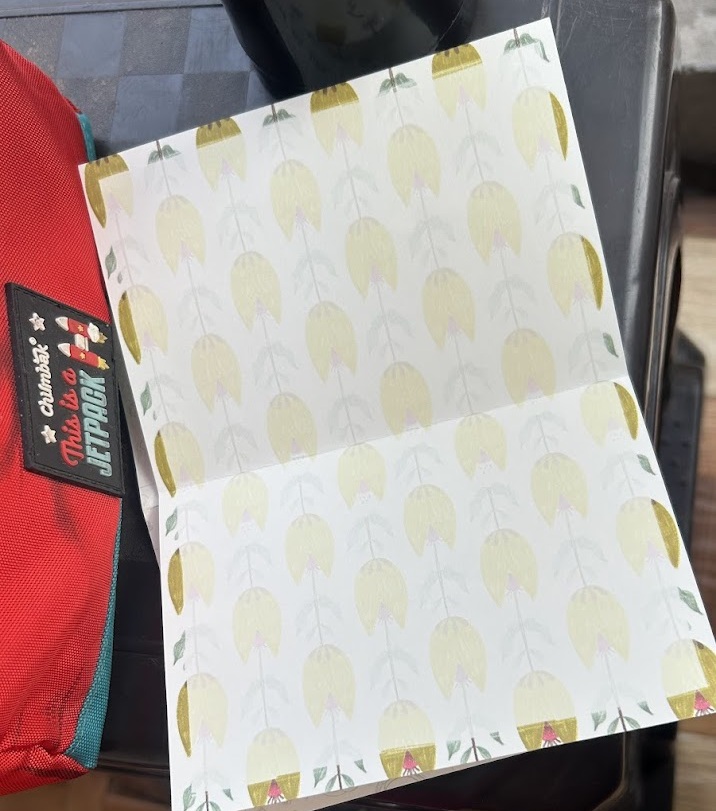
That was 2016. It's now 2026, and I still use the pouch from that backpack to keep my pens and pencils. People still ask me where I got it. They want to buy it. I keep checking the Chumbak website hoping they'll relaunch it. They haven't. I've made peace with it now. But the fact that a product can make someone check back for 10 years? That's not marketing. That's something else entirely.
The Couple Who Sold Their House to Start a Fridge Magnet Company
Before I get into what makes Chumbak work, you need to know how it started.
In 2010, Shubhra Chadda and her husband Vivek Prabhakar were living comfortably in Bangalore. They loved travelling. Every trip abroad, they'd bring back fun fridge magnets and quirky souvenirs. But when friends visited India, there was nothing comparable to gift them. No fun Indian souvenirs. Just marble Taj Mahals and handicraft shawls.
That gap became Chumbak. The name literally means "magnet" in Hindi. And to fund it, they reportedly sold Shubhra's house worth approximately ₹45 lakhs.
Not a loan. Not a pitch deck. Their home.
That tells you everything about how much they believed in this. And that conviction shows in every product they've ever made.
So What Is Chumbak Actually Doing Differently?
I've been thinking about this for a while. And I think Chumbak does three things that most brands don't even consider.
They sell a feeling, not a product. Walk into any Chumbak store and try to define what they sell. Home decor? Fashion? Gifts? Stationery? It's all of those things. But none of those words capture what Chumbak actually is. What they really sell is the feeling of smiling at something for no reason. Every product category is just a different container for that same feeling.
They made "Indian" feel cool without trying too hard. Before Chumbak, "Indian design" in the lifestyle space meant either FabIndia-style traditional or mass-market kitsch. Chumbak found a third lane. They took Indian motifs like auto-rickshaws, elephants, and chai cups, and wrapped them in pop-art colours. The result was something young, urban Indians were proud to carry. Not because it reminded them of their grandparents, but because it felt like their version of India.
Their stores do the advertising for them. Chumbak didn't need big ad budgets. Walk past one of their stores and you physically cannot ignore it. The colours pull you in. The displays make you pick things up. You end up taking a photo and posting it without anyone asking you to. They were reportedly among the first Indian brands featured in a global Facebook case study, but the real marketing was always happening inside those stores.
One More Thing About That Backpack
Chumbak regularly rotates its product line. Old designs get retired. New ones come in. This means some products become genuinely unavailable. My Chumbak backpack is one of them.
I have been looking for it for 10 years. It hasn't come back. But here's the funny part. That absence has made me more loyal, not less. Because now it isn't just a backpack. It's a one-of-a-kind thing I own. And every time someone asks me about it, I end up telling them about Chumbak.
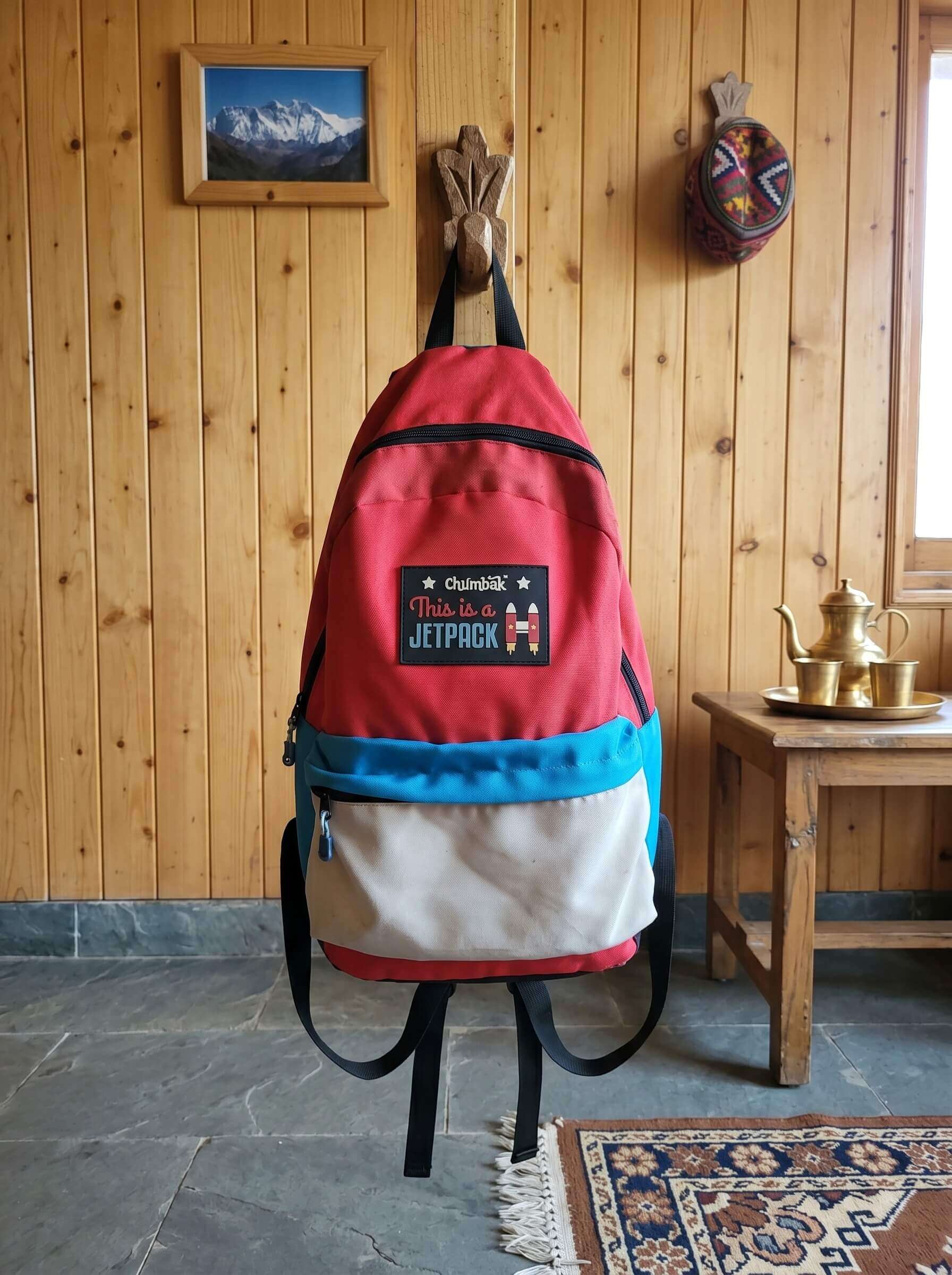
Ten years of free word-of-mouth marketing. From one backpack. That they don't even sell anymore.
The Comeback
I also want to mention something that the LinkedIn post from Vikas Chawla recently highlighted. Chumbak hasn't had a smooth ride. Revenue reportedly fell from ₹86 crore to ₹66 crore during the pandemic. Stores shut. Things looked uncertain.
But they adapted. They cut costs, reportedly slashing expenditure by 23%. They reduced their dependence on mall stores and strengthened online. They partnered with GOAT Brand Labs and expanded their product range into fashion and personal care. By FY23, revenue reportedly bounced back to ₹6.5 crore monthly run-rate territory. EBITDA margins improved. And the brand came out of it stronger.
A lot of "quirky" brands disappear when the market gets tough. Chumbak didn't. They kept the design DNA but changed the business model. That's what separates a real brand from a passing trend.
What Stays with Me
I started this piece talking about a backpack. But this was never really about the backpack.
It's about what happens when a brand is built by people who genuinely care about making you smile. Not algorithmically. Not strategically. Just because they believe colourful things make the world slightly better.
I walked into that Chumbak store in Cyber Hub as a 22-year-old who had just moved to a big city. I didn't know anything about brand strategy or design philosophy. I just knew the store made me feel good. And the backpack made me feel like I was carrying something that someone had made with joy.
Ten years later, I can explain why it worked. But back then, I didn't need to understand it. I just felt it. That's the highest compliment you can give any brand. You felt it before you understood it.
If this made you think about how brands make us feel before we understand them, you might enjoy this piece on The Whole Truth, a brand that uses honesty in a completely different way, but with the same kind of clarity.
→ Read: The Whole Truth: How Honesty Became Its Strategy